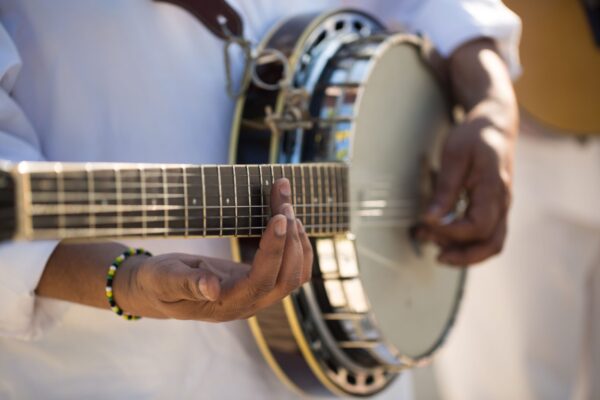
The banjo is an instrument associated with folk performances, house concerts, dance music and street festivals. In Canada, the banjo has developed a distinct identity of its own, and vintage instruments are now regarded as musical artefacts and part of the cultural heritage. Interest in them remains strong among collectors, musicians and researchers of folk music history.
Old Canadian websites dedicated to antiques and musical instruments mention rare banjo models crafted by local artisans. Many of these were hand-built, using natural wood and featuring distinctive body designs. As a result, Canadian instruments acquired a recognisable appearance and their own distinctive sound.
How the banjo came to Canada
The history of the banjo began long before it became widespread in Canada. The earliest versions of the instrument were influenced by African stringed traditions. Later, the instrument came into widespread use in the United States, and then gradually spread across Canada.
In the 19th century, the banjo became popular among street musicians and travelling show performers. Its simple design made it easy to transport the instrument between towns. Musicians used it for solo performances and to accompany dance routines.
Over time, Canadian craftsmen began producing their own versions of the banjo. Some models featured a deeper body, a reinforced neck and decorative finishes. The instrument ceased to be merely a stage prop and became part of domestic musical culture.
In small towns across Canada, the banjo was often heard at family celebrations, fairs and community events. It was used in ensembles alongside the violin, guitar and mandolin. Consequently, the instrument quickly became part of the traditional musical landscape.
Features of vintage Canadian banjos
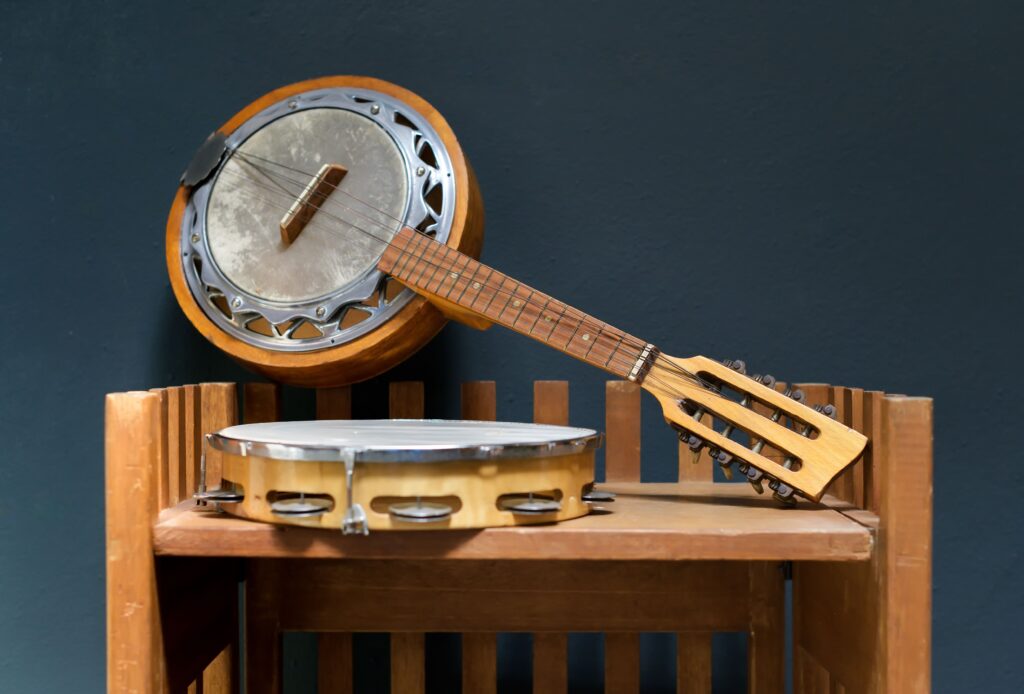
Collectible models made in Canada are currently attracting considerable interest among experts. Many instruments were handcrafted, which is why even similar examples possessed their own unique characteristics. Vintage banjos were distinguished by:
- a wooden resonator;
- hand-crafted metal fittings;
- natural skins;
- inlays on the fingerboard;
- non-standard body shapes.
The craftsmen paid attention to both the sound and the external design. Some instruments were adorned with carvings, decorative inlays and ornamentation. Such details made each banjo unique. Unlike the mass factory production of the later period, early Canadian models were often crafted in small workshops. This allowed for a personalised approach to instrument-making.
Today, vintage examples can be found in private collections, museums and antique catalogues. Many instruments are in need of restoration, yet even damaged models hold historical value.
Why the banjo became part of folk culture
The instrument’s popularity was due to a number of factors. The banjo was relatively affordable, easy to transport and suited to a variety of musical styles. It was used in both solo performances and ensembles. The instrument played a special role in folk music. Its rhythmic sound was well suited to dance tunes. Musicians often performed fast-paced pieces at fairs and social gatherings.
Gradually, the banjo came to be associated with musical evenings at home. In many families, the instrument was passed down through the generations. This helped to maintain interest in traditional performance even after the emergence of more modern musical genres. The development of radio broadcasting also played a significant role. In the first half of the 20th century, folk music began to be played more frequently on the airwaves, and with it, the use of the banjo spread. The instrument became recognisable far beyond the confines of small musical communities.
Why interest in the banjo endures
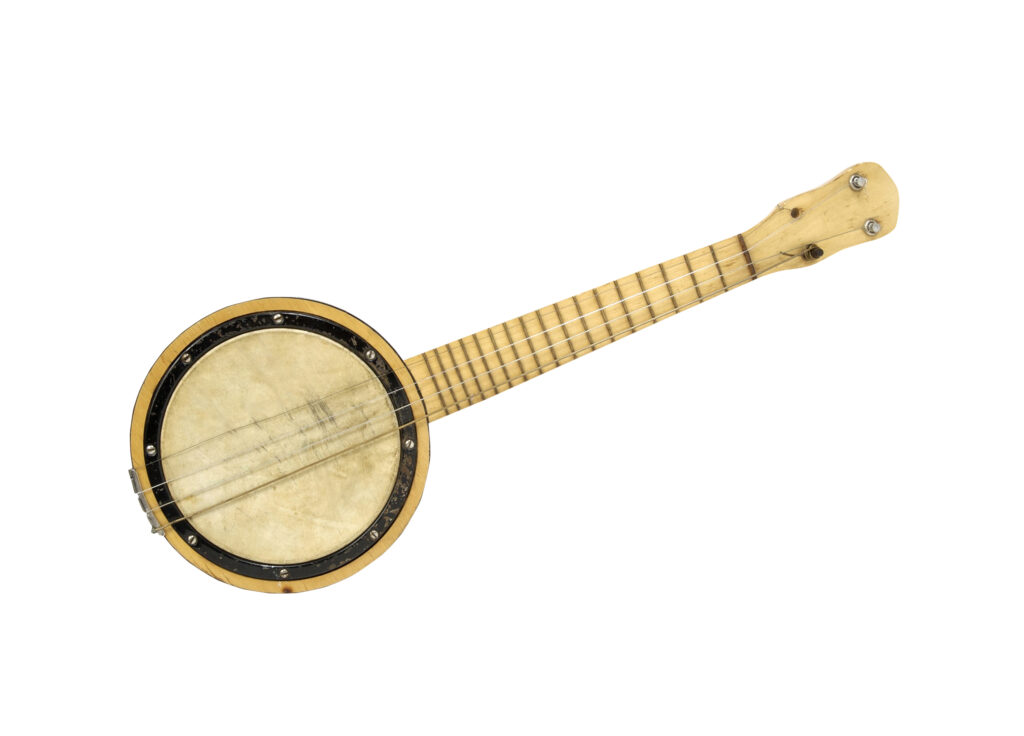
The banjo continues to capture people’s imagination thanks to its blend of history, music and craftsmanship. For some, it is a performance instrument; for others, a collector’s item or part of a family tradition. Canadian models are particularly prized for their quality craftsmanship and connection to folk music culture. Many examples retain their original features even decades after they were made.
Interest in such instruments is sustained by museums and musicians. Folk musicians often turn to historical models to preserve an authentic sound. The antique banjo remains an example of how a musical instrument can become part of cultural history. Its development reflects changes in society, musical tastes and craft traditions, and the surviving examples continue to serve as a reminder of a time when live music played a central role in everyday life.
Comments are closed